Este seminario (organizado por Laura Benítez en el marco del Institut d'Humanitats en el CCCB de Barcelona) plantea una introducción a los debates contemporáneos en torno al excepcionalismo humano, la tecnopolítica y la situación de crisis medioambiental. Partiendo del pensamiento de Rosi Braidotti, abordaremos el radical cambio de paradigma que supone dejar de concebir el ser humano como centro y medida de todas las cosas.
A partir de los enunciados
del antihumanismo, el transhumanismo y el posthumanismo, cuestionaremos
qué éticas y políticas afirmativas pueden plantear hoy alternativas
sostenibles y horizontes sociales de esperanza y resistencia.
Qué cambios comportan estas perspectivas para la producción de conocimiento? Cuáles son las consecuencias de la implementación tecnológica de las capacidades humanas? Qué transformaciones afirmativas proponen algunos de los nuevos movimientos feministas? Cómo podemos actuar en este contexto de crisis ecológica? El objetivo es poner en diálogo el pensamiento de Rosi Braidotti con prácticas artísticas y de investigación que inspiran modelos de subjetividad alternativos a los del proyecto moderno humanista y posibilitan la articulación de una ética transformadora.
Qué cambios comportan estas perspectivas para la producción de conocimiento? Cuáles son las consecuencias de la implementación tecnológica de las capacidades humanas? Qué transformaciones afirmativas proponen algunos de los nuevos movimientos feministas? Cómo podemos actuar en este contexto de crisis ecológica? El objetivo es poner en diálogo el pensamiento de Rosi Braidotti con prácticas artísticas y de investigación que inspiran modelos de subjetividad alternativos a los del proyecto moderno humanista y posibilitan la articulación de una ética transformadora.
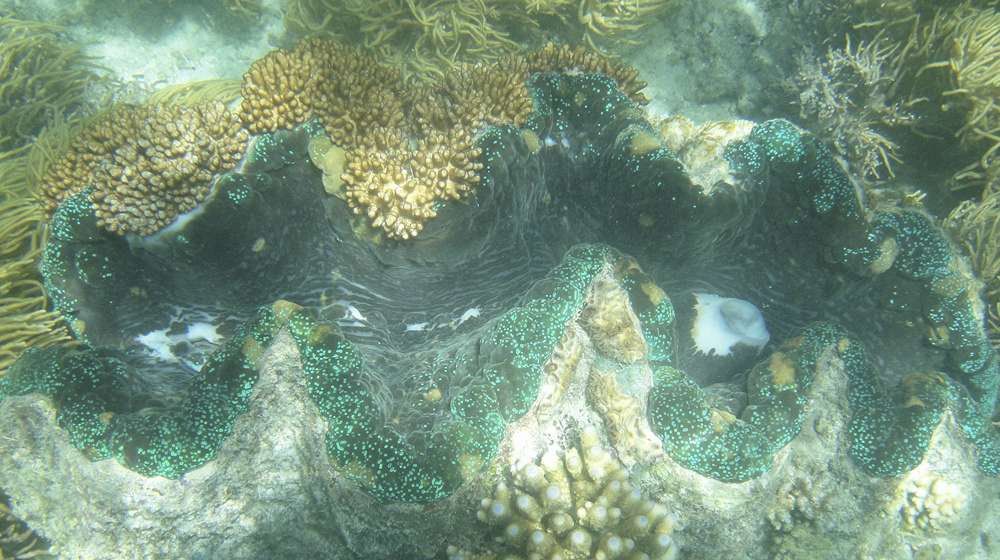
El día 14 de noviembre a las 18.30h me ocuparé de la última sesión haciendo un recorrido por el inventario de Possible Bodies para señalar algunas potencias de la puesta en crisis de la unidad universalista de "lo" humano, para afirmar la responsabilidad de hacernos cargo del continuum semiótico y material de eso que acaso podríamos probar a llamar "la humaneza", también desde la perspectiva de las computaciones de sus devenires volumétricos.

![[proyecto] Altas latencias](https://blogger.googleusercontent.com/img/a/AVvXsEiBpD8AFlYRdLzeJ2Hsn_CW_e5gS2aqI95InyU5RVD32AgQq1pu7RkVfqaIVCx8HGOvz6-KsASWhMiTRiAOeMFuq_5CdJ4oBpbugFCz27q4naB5GwKSI6367EAzmdV7gwMJ3bsY49giAjtGaszVwN6XK8Jt9TGRgsuh4UAGYJiG6-BT5M8TUcuqDBvoOME=s220)

![[txt] A breeding ground for uncertainties](https://blogger.googleusercontent.com/img/a/AVvXsEj8Ul_82KszibGV8b6jg9LFyWXEGE4qp6ecSy5BMMylXRoJD3M9p69kVu-AzxnSX2giXA1KXDQK0N-9PgDXC3iiwOb8gbekKC9_uczQKXOnaWH8az3En1ZSVefP22hPQWRvsUBccZEqf9CI15VXUsq8xboFMelx4l9oFikZJpvUX3xTe4mnAAeXwpDzIg0=s330)
![[Bugreport] to Frontier Climate](https://post.lurk.org/system/media_attachments/files/111/901/018/803/503/560/original/1075209e931cabe8.png)
![[zine] Ancho](https://blogger.googleusercontent.com/img/a/AVvXsEgxhMNpFpNTQs8-WPjqQ4xMJ3_BZJbszhAfiHl63dmkzEof-nuHBGdzLZzpneNz9vTWNnw4k1RBBRlY8Lku7gu3bPCmoB58oyB8p0m85z8G4vsPwQWrNDmDhPrcLyvW0SP8AVn6WTAkKi6967tUChbVAl73hP9Umq097rixVNbci22Ua_iZFxOiunVkTjE=s312)
![[radio] naturoculturas son disturbios](https://blogger.googleusercontent.com/img/b/R29vZ2xl/AVvXsEh1vf5WGEHGsX7aYwBLxMSY5_yPI3DzKWwCdqAOOIDKz0yFkISa81hx2ljEMCPPb6bRtYCCtoOb89SdCQET4P_BJoQeYy5990dZ2FmiqJL_Sb_ROngQphHGA9wnu3rIZyUkI7LPLNDqRXE/s220/tapiz.jpg)
![[Journal] La composición activa de la presencia](https://blogger.googleusercontent.com/img/a/AVvXsEgWJBnXgfCm300uKPAr-n4sEqPCBHxy2Hxheu2bFuYCl0IgeJCmJ_7U6SwP01cDamYTfgGpbMtgeSS6KtRm5j85_bclhQ4wn7f8DfSKu7C3_AM87wNHhELUwQ_VXIemDotxFy_h2kiZuqa1h2vLKHeMUALEg63BeR_dbpHh4Y7DEfZgKekOA0eCxPT_lJk=s320)
![[fellowship] LaaS (Life as a Service)](https://blogger.googleusercontent.com/img/a/AVvXsEijogwX9jgADqQ9A00tu8fCFaF8ARU8Sq0EXI0Z_PBE8M-SVpgMWAUiHJjw4-QwLjz-KCQlOgyvJNwpvBLe41Gr7xN0xlWzvyrGxZg9mUIH9-q3xEF51MSk6UnyUkD--ZptqoMcp7XSlgD8wV5MVeUaN8o7X34SnScuLZ4C76XyW6U8JDneHWrSw8vZ=s220)


![[associate membership] TITiPI](https://blogger.googleusercontent.com/img/a/AVvXsEjcMlj6-I_3r2L84w6kGyECKoYCgG_clIbPgkJU643pGFonPn9P-UV_qnNI3V-pjgEVFigNgse4IABpsD7WRie8evGe1jdLZOV92rg_McRtrbSIJOTVzyUW5Xx4ITTYM3JL-d90tF-XGKpKscmUYcnrts654lnj1hVbrHZUBvKA8X5pZPXL6DIoILz9=s341)
![[escuela] Elefantes en la habitación](https://blogger.googleusercontent.com/img/a/AVvXsEgg8WMXXVVHA5uHIAlHGUstKTSRhzQEhEORdROKz8QBgLMPCtYxyNIyCnuFkFwDAoixgS1XMLDeGEtm5P0cXW3AUi6AB179S0Ei6BueXW8NXbREYnik1VICivjPvl7G2Ti597fcw2OQ38cWzV0BpfG3MijQiSAzCdVmj67HS4VIiCsQV5dLgdOubMvIGiM=s220)
![[book] Volumetric regimes: material cultures of quantified presence](https://blogger.googleusercontent.com/img/a/AVvXsEgmU-TcPBoSAK-bYjc2IS1c3j6YaoY0bAmoWeJphwdAVgJ1vRcZP_dg5Ki_GWBYPakurYUpM6XIlUGJKAKALaYhdx-sLtC-KlL3NocFIq5S3RzmuefQP1pCwpUTjJ4it_itZKmY1FLZ-GuvAE1PHWP90G9nxsDRdyPVaoyQxl6s3A0SQEeRxP5fNlcI=s332)
![[manual] Queering Damage. Methodologies for partial reparation... or not.](https://blogger.googleusercontent.com/img/b/R29vZ2xl/AVvXsEj8Q0pcpgV4ta3XRYXd7_TLrE-e8iIRW9gtbF-tRh5pKQClpqaw6qbr0dUadU7sASJ9ElOlYJwy4mPROA46dn7bGeTFwAb09LCR2yMuQOkeJUCeRUrAGKai3pPb9x7nvSaISuDx8FZlppg/s1600/QD.png)

![[project] the underground division, with Helen Pritchard & Femke Snelting](https://blogger.googleusercontent.com/img/b/R29vZ2xl/AVvXsEiP7ySE_-Ag-61vgRhsOgPJOVlvsnsupcriKB9x-nxLA_XjAYdkeYSOajqqqBnnGI82iX4wCbaDfnYfAc9lSHl0ny7ES0V1xTeJl3zW0sfLto6Ardt6AiZmYZlqizeDw98sijpGLY_K1p8/s1600/unthoughtinfrastructure.gif)

![[expo] Dorm en l'accident que provoca](https://blogger.googleusercontent.com/img/a/AVvXsEgjj7ASH7edRFh6yretcviCckrs19chm_iyuaa0PyNeRqKj6EWr5C8wRAUQXNsR0rSxSIY0-j_a0z1PfmEjabITfUBWfMwqCNKLo9Fvb65P31PtSbEiBBJ_HhiNrs1iVFZsD4LWicCfvZXM20ivsPoG2XfLBZYGBhv7Iavs2VPb0uGV2mYehjf7mzdm=s220)
![[exposición] La Irrupción](https://blogger.googleusercontent.com/img/a/AVvXsEiJnQT68iCPb08I1Bq9Cq8cGWfRLxF_cwD3tqfqovDvh1oy1L-Mj5DVkBsyBEezs9ydH0kVterKMClhihz3EkJgySfauazM8-YsPZRI2qUOQKSWKE8phvjFy5lPNqE5r60m0bbgm4eyMXVA4xktKU5hrJoQ6gBv22a7QRAhFlmFDxYQVATl6orDZ-oK=s311)
![[Fellowship] Spectral Infrastructure | Cell for digital Discomfort](https://www.bakonline.org/wp-content/uploads/2021/07/Spirit-Labour-1-web-2000x1335.jpg)

![[paper] Figurations of Timely Extraction](https://blogger.googleusercontent.com/img/b/R29vZ2xl/AVvXsEheNeBTv2n__LM26gVP5_NJsH4-vssVsRn3CspeiFnoCsUY4RmKBE1dTzYurmx73Nt5hceLv_zcORBxLnGV5AR3tJnb579NJ5194ThAdnH5itHI-e9W79rOLD5_sPpkmjjGb1RT1RVnmN0/s1600/hueco.png)
![[weft] The Relearning Series (with Martino Morandi)](https://constantvzw.org/site/local/cache-vignettes/L650xH614/arton3397-dd459.png?1609926532)

![[text] The Courier Bag Praxis of Friction](https://blogger.googleusercontent.com/img/b/R29vZ2xl/AVvXsEgBtBXr6VHozr_KsHsqSJ7_sMDHSSc0l0pD4wcrZJZzqX6IUeTjQEED64R-hg4QG0lK8RHN6J6j-BtRbsTDwI-R-5OlzwcCDYPHX_q7_yTCbgnJEqPic7LsADeclTIpqgX8SWZpdXdncKs/s1600/amz.png)
![[text] We Have Always Been Geohackers](https://blogger.googleusercontent.com/img/b/R29vZ2xl/AVvXsEg3_-X1JXUAU7D1PqsbnkyLFi1PAvVb4P9ZPszvgZkaI5q5lY4JDDPsjeBScyoev-cxl3DD9ocyeaj4ROLezLzA1RM00Ib3SGeaMUiNvnhsSOtRHVy9pK2WQ4p8gXBbDqEABMiaM6uhjzk/s1600/600px-Image04.png)
![[entrevista con Nerea Ubieto] unos corpus a través de otros](https://blogger.googleusercontent.com/img/b/R29vZ2xl/AVvXsEiUAX_3sRJEwxPRY1X9jmG1DxmZBTqhXRVHN3wcA4h_oO6HNIGt9uroK9oP9ktNm79nbj0z6Kt02SNIBynmRmAbxHJa3bWPttwiF1Iffm8azfPumTmr32-pC8bQJ1cRwFvUm5QRfYjiWrs/s1600/yaaun.hotglue.me.jpeg)
![[book] Iterations](https://blogger.googleusercontent.com/img/b/R29vZ2xl/AVvXsEg6AIPpC3jitHSZRTZUAUrI-C01YGIeyM7C7ZPDO0HQhUx0nqTOyVUdpOOJBVh66ZwBJk-Z_NLtlDZtIhB5zyj7lzi1psorzemK2pJKiRk75Z8_8K60nJcdJEz1nmUZqmTm-BId_XYjINo/s1600/iterations_img.png)
![[text] Depths and Densities: a bugged report](https://blogger.googleusercontent.com/img/b/R29vZ2xl/AVvXsEj2kAiZhHGbiApkAnVW086MP8Auew-PJjqA5m1dP0C0PQTv99laH46OO1-5K5YOzYQIYBpgG4SsC8ibvqLz2fkIBoUPi3_dL6dfOir_DosCim4oY2Tq9877vFU-6SSWLfps0rLs_v3wBCM/s1600/2.gif)
![[expo] ROCK REPO](https://blogger.googleusercontent.com/img/b/R29vZ2xl/AVvXsEjMCpx4QnmsTfWUtRNlzUOhGnEWqZozBYCPkzKG3cs29OniGUqAzXFMDp4EggGvEM1B3xDC-Kf9QFHKe2EqKL6QGLhttL6FzalmkJYo8f9_aKdnmiUf61_QMaoa7F228d5farlhzSeV1Ok/s1600/ROCKREPO.png)
![[ciclo] unsupervised imaginations](https://blogger.googleusercontent.com/img/b/R29vZ2xl/AVvXsEhjO8oPteLww8zP6OPAvLXOm4uiwvBIFJ0k9DWqK7YEfSau1A9E0RdvY0-qokscG-y_a9sgou1xkCNBSw_VvBOlsFqLbcR_HSDg7K3hRB5LqkOjTdwfaCWLsemvyyt1lttyqz3zgyuzGZY/s1600/done.png)
![[texto] O o no O](https://blogger.googleusercontent.com/img/b/R29vZ2xl/AVvXsEjW0TtZQPjFHfhxlODgGdVzgg68Ac0-ARhty2p_GLpS376bYEQzPCLV3rcfveLPHTKa5NayqjcU5tkEHR1XravZ0ELvayh3Llh-dTbLDoTzqCu2-o4_XL-x7BOorECQVHzvrAbPgArKd5I/s1600/OOO.png)

![[text] testing texting South: a political fiction](https://s-media-cache-ak0.pinimg.com/236x/ee/bb/77/eebb777b79c372e431f8f01a9f8c417e.jpg)

![[texto] connivencia km 0](https://a-desk.org/wp-content/uploads/2019/02/yCNQVn7-595x356.jpg)
![[texto] tendido topológico de opacidad](https://lh3.googleusercontent.com/blogger_img_proxy/AEn0k_u3jBXVoz6EkkDRUNulTdP5diVhA5_P41AxYEu1WGdkZZMb7geVY8U59wr-e3KnQJpSJXpdotzC1SHLw9pNw9MPEBLyECrLl1Lzi346PnrB5pNDeh431jkjLTF-AyxEr_ODc9K1b_GR_yNIJC1qJcQRtn_dA2wxL7MUAI3FFa39VQ=s0-d)

![[workshop] queering damage: methodologies for partial reparations... or not](https://hangar.org/webnou/wp-content/uploads/2018/09/fotoactivitat-448x197.jpeg)
![[text] ultrasonic dreams of aclinical renderings](https://blogger.googleusercontent.com/img/b/R29vZ2xl/AVvXsEgQ0Hyf8egbRwVzEbocuGIrXelXCAPHtrkb_7qMB6MbJQpI-ImX-BnGi1Gz6BBmBUJ6ikF14F0XEdxaRvoPF8fpfA_zK2nzYx3o4fhQ_6AxTaJvn_ONeJ7kO54Ht23J4coCzwb9VNhJ7lo/s1600/ada.png)
![[text] la Caníbal Mondothèque](https://blogger.googleusercontent.com/img/b/R29vZ2xl/AVvXsEgSPEAotBhGULLOoGt7ah32WUd5Uhq7OFyBOu0HMmhi_vXY1YhVzPzfhS6z-Q9xoAUayFSZ1T875S6PzU7hLfQuqpFSffkWSElVxere3sOffMK6uJVCu6rtwjcMF7VSL8IHMqewLUaRARw/s1600/sss.png)
![[taller] Signos de desorden clandestino en la multitud uniformada y codificada](https://blogger.googleusercontent.com/img/b/R29vZ2xl/AVvXsEh2NuAewDFzlY_WN91ef8C-irr-DsGHBdEOhztzIwEqDxv-BFgccpIu7wCcZQXrhqhc6eQJBaYLJwEWSxCpoDu4WSGYO6RP2oJDte-QD2B6xGpWy5_HHAj_na47Qr4JM2x99u_CErHbcgY/s1600/signos+de+desorden.png)
![[book scanner] hackthebiblio](https://blogger.googleusercontent.com/img/b/R29vZ2xl/AVvXsEhWvEJ8bLbWXegmJmJjy0IvTFE4zHz-PQXgbVtK3YexrUu0dGq1dvhuzekD6YgOcBDJqjJiZveoMSo9EwTJAZvNK1BZXwEvnSmzPk3v-8xuJyUxgTdyjFnLSQe-AZSS7kxnFzCsoM6my74/s1600/marron.png)


![[installation] somatopologies](https://lh3.googleusercontent.com/blogger_img_proxy/AEn0k_sl4NA0vVnzTKXinCtQvFkfCTU32z_U6w6e7zoBahPVO7_sJDkBOLx6q8unJNfXvlPuCVhPux6p_mDA_JZQJys_ags26jKcp3jUuY7bnXAp9mFU8kzsHP21Vgv1nrj8bM9nwFMPykrk2uqHA8vRZ_mERrOb2ujaFYShs_fVQphkUFo=s0-d)
![[workshop] ageing companions](https://blogger.googleusercontent.com/img/b/R29vZ2xl/AVvXsEgLEng19oM7Z1ABKaMNTvuNjr70o1HJvJtwCcBNQw-mN2p-j6LmAqGufemrhR2Bo_vca7ps4MYHDxpVfpbMpy3kH2pgjyrN-qal4iSVOMZBquhe2Yr3c0Qj_mWNiCAPBtceZwOQqLjwGSM/s1600/ageing+companions.png)
![[curso] ya aún (con Laura Benítez)](https://blogger.googleusercontent.com/img/b/R29vZ2xl/AVvXsEj5BUUemTv0dcKlSWxoe-95jPAn8EwoM_w0sxSEqGr2sxMN1WWY61oAFm3rkmZj-PynKmvxFGr0mu7IKZpa_mYb1AdlQoaKLXUhkTYlNXrNy-A2Zbf274hmC4iCs9pzCYl8D80VyIxTgD8/s1600/yaaun.png)
![[text] MakeHuman @ posthuman glossary](https://blogger.googleusercontent.com/img/b/R29vZ2xl/AVvXsEjAxY9qjS-hUJzSbUY4EvX-FZ6gRgbrXq0ehjWtRXZnjJvN8HEfQq1-RG8Fi-5-9JCK9DG6SNi_iod-ARLMAHWpgL9XdQFISHjvahpFJhn6dxFKMuVovjuMICweTAJV0tApChjht-ZXCVE/s1600/posthuman+gloss.jpg)
![[taller] Las promesas de los algos: una visión inapropiada/ble (con Nicolas Malevé)](https://hangar.org/webnou/wp-content/uploads/2018/01/tensorflow-448x298.jpg)
![[text] dis-orientation and its aftermath](https://media.giphy.com/media/L35lnVzYLgHFS/giphy.gif)
![[artwork] UKI, a viral game (with Shu Lea Cheang)](https://lh3.googleusercontent.com/blogger_img_proxy/AEn0k_uVbbQCKMEYniGSrp_HV1hOiB7ClyFMS_0tsVO4CQpAVyN4M4zDLsVw4eYsnqSbYbBkR7eMu9_OPFcTczn-848PVEKPnJF1bNiw23U2ltZnhW-q3BdWHJV5sUYLfwGqL3U-dlUVtZmmIQr8uLzO5DnANrv1nsPi=s0-d)
![[curso] fonaments del disseny](https://blogger.googleusercontent.com/img/b/R29vZ2xl/AVvXsEgD02few_onlQayFaMENECRZYVjbfJ-1BivdgWn_PntkkwCCG8jUGdswJyugFctCcFRBB3lwSXUZotFCc5EnxqfxSKywMrdfAVfBXvPsb7vcdIdr2RUowODsgri4EReXMudK_3IAStF_3w/s1600/fonaments3.jpg)
![[revista] L/EN/G/U/A/J/E/o](https://blogger.googleusercontent.com/img/b/R29vZ2xl/AVvXsEgdBBru_p5K4zK77CmgtRcK2hLubFw46lHgQqqXqJoMuEeIDJr1933trw0vcve7q3b9Mhjy96nYQDPxWYddDZ60RbtwCZcUoIYJq_F7WWd9xsnfoqhXgyZNquQLkFNbsbz7dDJoaXRZZWc/s320/Captura+de+pantalla+2017-09-10+a+la%2528s%2529+21.46.40.png)
![[methodology] workshop à la carte](https://blogger.googleusercontent.com/img/b/R29vZ2xl/AVvXsEirP91N_kdgle-XhzJxTu9qeU4rnpcG-tl-z6em-_ecKjZpIsTgRgOQn19a5SLVkW3SJ6rbkWNg7gCHdRFtXMkc4gE4OpWRGHcch_ylyVaNDjSXLkXPrRD8wf02542DxRh07xWwc54Hbxw/s1600/teo.png)
![[text] tongues in the making](https://blogger.googleusercontent.com/img/b/R29vZ2xl/AVvXsEgXl-8Ave1Yx3VqxhcrI24uG_fzX8Ohc8LNjgv8KkTq4s1W9J0LH_iVG22E22ojnNFUauSMGvN9M_JMRod7iHqahzkJMHjWvHPV0B4v1i14iRtGWNga8NmZ-LdXXlOPqAtdISnR2MQFd1Q/s1600-r/Captura+de+pantalla+2016-02-04+a+las+13.53.52.png)

![[texto] altas tensiones, saberes menores](https://lh3.googleusercontent.com/blogger_img_proxy/AEn0k_vToFSZgskN0mXBx3Tgj5Ry_qMFg2MJEfESpTSrqXwL9T0cWQKbkEId_F0DeIbO2YQn1UKI6U1BQYb_jrrofFvbiSHMURVLDjpNZpgfBSKIIJlVuny823SCWvVj4hVOwv3iNrvgpNwEP1r48DuZEmT28inx6dxABiymm8FYVTky=s0-d)
![[text] new criticals: cadavre exquis](https://lh3.googleusercontent.com/blogger_img_proxy/AEn0k_tFBAf0f7oooA8co5e1INfahyVYX7_7C6upT8iGhEee_9cqBtMNvlTxh2Zo1On7qtOFAHWvxrltrCERDVOZyvwiK9Er-I-KNbio-ziYBClLa3BXaeH3PutNZzRC_QunmVPrhYN4kAGBKRdj_9Qs3dbOWJmUNo9I-mk=s0-d)

![[article] Let's first get things done! / Fiberculture Journal #26](https://blogger.googleusercontent.com/img/b/R29vZ2xl/AVvXsEhaDyKgtq30kos1sAGxvccGpJru0lFDJpNdr2Znui0GZq-uBP4rv7qq4wxZIHlAqGloQcjpEfhYlftguJHCfQakT3_ddO8Rs5opBTGClnrALMsSpNtDyR2ljW37LPnBtUfJ1gEO_aZqvt0/s1600-r/graph.png)
![[post] chismes del aprender](https://lh3.googleusercontent.com/-ECXXUPo6Pyyh40LLcwXtRvV95OpS-w6misVn0DL7n1jkl7tYKBDhyPVtRayTBEARSvAIFlvR0Ajv1PdHLgBIs8un7fymWjqZRhedhJiizk6HodrTJYwICBn2w)

![[paper] "La materia contraataca: una tentativa objetológica"](https://blogger.googleusercontent.com/img/b/R29vZ2xl/AVvXsEhqled-DehDpXZnTMEkO0WSjozmkdTcjnEaTT27rrnu1q69whrT275w3Hs7zzeUtLfNJXs73mXB1Q0lwJjR2AGzInb6WpEUfRFWRui5s-YhE7CAf89z1j3TDKQMAmIyDr_XF22DcA9506I/s1600-r/m%25C3%25A1quina_cuadruple+haz.jpg)
![[expo] not yet know: ontologías sorpresa y agencia-ficción](https://lh3.googleusercontent.com/blogger_img_proxy/AEn0k_sgo7WlDfKSIWY6S6X4tj9we6C9UrUIU6gnd6dJYF3cMwLcmYAeBv3GK-HFRh37NzF3wPkTMKFf6HVmU9XTJrdjHvRk0Ttfx40saaUdsAxPcnRNm1_Uw9Zt-zmXp_71SnadNxpO1jhkP91--ESCyKrMMeLXgfUXvFEM8vprIpEARn9A=s0-d)

![[libro] "El futuro de los centros culturales en la europa creativa"](https://blogger.googleusercontent.com/img/b/R29vZ2xl/AVvXsEjkwzqzUznKska3wNFn9G6GyFhyphenhyphen6v2ptsM6suKRqoeq6FUzv7Rs8mx3YQABu9QFWpj0XPZs32NhE2DNCgRSMEnnhPw4SQjSKsm1MuMrEvBDnO7z__-iWxNqt1Mn61h00R-4Co76tF7EdXY/s1600/euroz.jpg)
![[zine] catálogo restrospectivo de una soberanía objetual](http://40.media.tumblr.com/474e97cd6589b57032fbb079230ae643/tumblr_nkr05twfSL1tu5ph3o1_1280.jpg)
![[wiki] protocol for interdisciplinary research / Hangar / Grid_Spinoza](https://blogger.googleusercontent.com/img/b/R29vZ2xl/AVvXsEjmi8Df_v7kPAefpI6pLe-Xl-NhQx3VsKNEiZGO_tB1E2HCbKmQY69oI6SkN36aCFzzlI0ihwKUevFeZbmEAT-YBIGGCTfE_XlHvVbRHrnAAJS7_aCsOZW9bmeIzv1U06IVz_ik6btFPfM/s1600-r/Pantallazo.png)


![[monográfico] Laboratorios de Procomún](https://blogger.googleusercontent.com/img/b/R29vZ2xl/AVvXsEjjbDSQa0RdXhfgnejeyUgQL7ae7l7d3rC5-NoyRkrNiLiMGdo27hBA2NIiJTGDVDwkJ1JZuVh9rnQYhvbdZf8ru5Ou1W-trOX7QfMPS0h3t57HEiY3wu4CeXrWW9TfDk7VpKP6rvb17HU/s1600-r/teknokultura.png)
![[libro] Teknokultura: tecnociencia, arte y cultura](https://lh3.googleusercontent.com/blogger_img_proxy/AEn0k_spD7QhVRAYSEMLZnYwliA7KyOUJBVS2v5RhAsLF5vyo7RV8RPmj_6-640mTPCzACMV2S2jLaIvbk81tMGqiON7oWv7mZRJCYxr4YgHOrjH4ID7mekB4VRkniJbG9yRF23l_dGaL7FXeZevwnynD70AmI9KgcKqfcvoNY9HK6ze=s0-d)


