[Research centre 18/I curated by Femke Snelting]
In
Posthumanist Performativity: Toward an Understanding of How Matter Comes to Matter, feminist theorist Karen Barad examines how apparatuses stabilize and destabilize boundaries. “
Apparatuses
are dynamic (re)configurings of the world, specific agential
practices/intra-actions/performances through which specific exclusionary
boundaries are enacted.” she writes.
As an ‘
external guest’
invited into the research center from January until April 2018, I would
like to turn Barad’s parental advisory into an invitation to
experiment, speculate and reflect on the intra-actions through which in-
and exclusionary boundaries are performed in a.pass itself.
Boundaries do not sit still
follows from a long interest in the interdependent relations between
technology and practice, resulting in a series of projects and questions
that have been invited into dialogue with a.pass at several occasions.
How
do digital tools and artistic research co-construct each other? How are
gestures, discourses and behaviours shaped, oriented, communicated and
defined through the (digital) apparatuses at work? How is research
articulated and in what way are its boundaries enacted through software,
infrastructures and devices?
These questions will be addressed in mentorings, informal meetings within/around a.pass and in research activities related to
The Possible Bodies inventory. In addition, I will host five
Monday Readings (with Martino Morandi, Seda Guerses and Sina Seifee).
*
At the start of 2018,
Possible Bodies is one-and-a-half year
under-way. It will have had rotations in an art institution in
Stuttgart (Schloss Solitude), a technology-oriented centre for arts
production and research (Hangar) and a design college (Bau) in
Barcelona. From January onward, we open up the inventory in and to
a.pass as a resource to be reworked, annotated, appropriated and
expanded.
Possible Bodies changes rhythm in order to prepare a fourth rotation in the fall that might take the shape of a publication.
The presence of the
Possible Bodies
inventory, its methodologies and some of its agents at a.pass can
hopefully allow further inquiries into the tensions between ‘probable’
and ‘possible’. As an object of study, we will for example be exploring
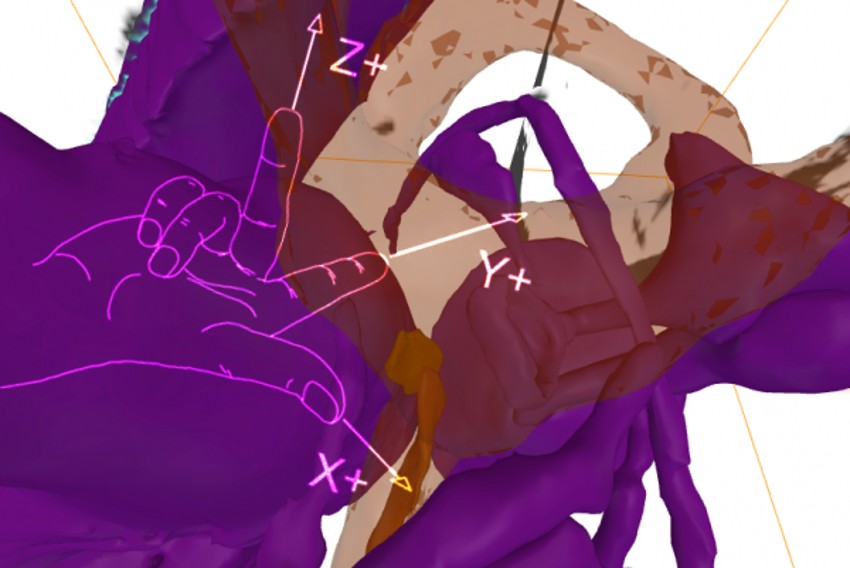
the workings and worldings of Slicer, an open source software platform
for medical image informatics, image processing, and three-dimensional
visualization. The software ecology of Slicer interests us because it
allows us to explore processes of articulation, dissection, separation,
segmentation, segregation and difference.
+info:
https://apass.be/boundaries-do-not-sit-still/ + https://apass.be/possible-bodies/






![[proyecto] Altas latencias](https://blogger.googleusercontent.com/img/a/AVvXsEiBpD8AFlYRdLzeJ2Hsn_CW_e5gS2aqI95InyU5RVD32AgQq1pu7RkVfqaIVCx8HGOvz6-KsASWhMiTRiAOeMFuq_5CdJ4oBpbugFCz27q4naB5GwKSI6367EAzmdV7gwMJ3bsY49giAjtGaszVwN6XK8Jt9TGRgsuh4UAGYJiG6-BT5M8TUcuqDBvoOME=s220)

![[txt] A breeding ground for uncertainties](https://blogger.googleusercontent.com/img/a/AVvXsEj8Ul_82KszibGV8b6jg9LFyWXEGE4qp6ecSy5BMMylXRoJD3M9p69kVu-AzxnSX2giXA1KXDQK0N-9PgDXC3iiwOb8gbekKC9_uczQKXOnaWH8az3En1ZSVefP22hPQWRvsUBccZEqf9CI15VXUsq8xboFMelx4l9oFikZJpvUX3xTe4mnAAeXwpDzIg0=s330)
![[Bugreport] to Frontier Climate](https://post.lurk.org/system/media_attachments/files/111/901/018/803/503/560/original/1075209e931cabe8.png)
![[zine] Ancho](https://blogger.googleusercontent.com/img/a/AVvXsEgxhMNpFpNTQs8-WPjqQ4xMJ3_BZJbszhAfiHl63dmkzEof-nuHBGdzLZzpneNz9vTWNnw4k1RBBRlY8Lku7gu3bPCmoB58oyB8p0m85z8G4vsPwQWrNDmDhPrcLyvW0SP8AVn6WTAkKi6967tUChbVAl73hP9Umq097rixVNbci22Ua_iZFxOiunVkTjE=s312)
![[radio] naturoculturas son disturbios](https://blogger.googleusercontent.com/img/b/R29vZ2xl/AVvXsEh1vf5WGEHGsX7aYwBLxMSY5_yPI3DzKWwCdqAOOIDKz0yFkISa81hx2ljEMCPPb6bRtYCCtoOb89SdCQET4P_BJoQeYy5990dZ2FmiqJL_Sb_ROngQphHGA9wnu3rIZyUkI7LPLNDqRXE/s220/tapiz.jpg)
![[Journal] La composición activa de la presencia](https://blogger.googleusercontent.com/img/a/AVvXsEgWJBnXgfCm300uKPAr-n4sEqPCBHxy2Hxheu2bFuYCl0IgeJCmJ_7U6SwP01cDamYTfgGpbMtgeSS6KtRm5j85_bclhQ4wn7f8DfSKu7C3_AM87wNHhELUwQ_VXIemDotxFy_h2kiZuqa1h2vLKHeMUALEg63BeR_dbpHh4Y7DEfZgKekOA0eCxPT_lJk=s320)
![[fellowship] LaaS (Life as a Service)](https://blogger.googleusercontent.com/img/a/AVvXsEijogwX9jgADqQ9A00tu8fCFaF8ARU8Sq0EXI0Z_PBE8M-SVpgMWAUiHJjw4-QwLjz-KCQlOgyvJNwpvBLe41Gr7xN0xlWzvyrGxZg9mUIH9-q3xEF51MSk6UnyUkD--ZptqoMcp7XSlgD8wV5MVeUaN8o7X34SnScuLZ4C76XyW6U8JDneHWrSw8vZ=s220)


![[associate membership] TITiPI](https://blogger.googleusercontent.com/img/a/AVvXsEjcMlj6-I_3r2L84w6kGyECKoYCgG_clIbPgkJU643pGFonPn9P-UV_qnNI3V-pjgEVFigNgse4IABpsD7WRie8evGe1jdLZOV92rg_McRtrbSIJOTVzyUW5Xx4ITTYM3JL-d90tF-XGKpKscmUYcnrts654lnj1hVbrHZUBvKA8X5pZPXL6DIoILz9=s341)
![[escuela] Elefantes en la habitación](https://blogger.googleusercontent.com/img/a/AVvXsEgg8WMXXVVHA5uHIAlHGUstKTSRhzQEhEORdROKz8QBgLMPCtYxyNIyCnuFkFwDAoixgS1XMLDeGEtm5P0cXW3AUi6AB179S0Ei6BueXW8NXbREYnik1VICivjPvl7G2Ti597fcw2OQ38cWzV0BpfG3MijQiSAzCdVmj67HS4VIiCsQV5dLgdOubMvIGiM=s220)
![[book] Volumetric regimes: material cultures of quantified presence](https://blogger.googleusercontent.com/img/a/AVvXsEgmU-TcPBoSAK-bYjc2IS1c3j6YaoY0bAmoWeJphwdAVgJ1vRcZP_dg5Ki_GWBYPakurYUpM6XIlUGJKAKALaYhdx-sLtC-KlL3NocFIq5S3RzmuefQP1pCwpUTjJ4it_itZKmY1FLZ-GuvAE1PHWP90G9nxsDRdyPVaoyQxl6s3A0SQEeRxP5fNlcI=s332)
![[manual] Queering Damage. Methodologies for partial reparation... or not.](https://blogger.googleusercontent.com/img/b/R29vZ2xl/AVvXsEj8Q0pcpgV4ta3XRYXd7_TLrE-e8iIRW9gtbF-tRh5pKQClpqaw6qbr0dUadU7sASJ9ElOlYJwy4mPROA46dn7bGeTFwAb09LCR2yMuQOkeJUCeRUrAGKai3pPb9x7nvSaISuDx8FZlppg/s1600/QD.png)

![[project] the underground division, with Helen Pritchard & Femke Snelting](https://blogger.googleusercontent.com/img/b/R29vZ2xl/AVvXsEiP7ySE_-Ag-61vgRhsOgPJOVlvsnsupcriKB9x-nxLA_XjAYdkeYSOajqqqBnnGI82iX4wCbaDfnYfAc9lSHl0ny7ES0V1xTeJl3zW0sfLto6Ardt6AiZmYZlqizeDw98sijpGLY_K1p8/s1600/unthoughtinfrastructure.gif)

![[expo] Dorm en l'accident que provoca](https://blogger.googleusercontent.com/img/a/AVvXsEgjj7ASH7edRFh6yretcviCckrs19chm_iyuaa0PyNeRqKj6EWr5C8wRAUQXNsR0rSxSIY0-j_a0z1PfmEjabITfUBWfMwqCNKLo9Fvb65P31PtSbEiBBJ_HhiNrs1iVFZsD4LWicCfvZXM20ivsPoG2XfLBZYGBhv7Iavs2VPb0uGV2mYehjf7mzdm=s220)
![[exposición] La Irrupción](https://blogger.googleusercontent.com/img/a/AVvXsEiJnQT68iCPb08I1Bq9Cq8cGWfRLxF_cwD3tqfqovDvh1oy1L-Mj5DVkBsyBEezs9ydH0kVterKMClhihz3EkJgySfauazM8-YsPZRI2qUOQKSWKE8phvjFy5lPNqE5r60m0bbgm4eyMXVA4xktKU5hrJoQ6gBv22a7QRAhFlmFDxYQVATl6orDZ-oK=s311)
![[Fellowship] Spectral Infrastructure | Cell for digital Discomfort](https://www.bakonline.org/wp-content/uploads/2021/07/Spirit-Labour-1-web-2000x1335.jpg)

![[paper] Figurations of Timely Extraction](https://blogger.googleusercontent.com/img/b/R29vZ2xl/AVvXsEheNeBTv2n__LM26gVP5_NJsH4-vssVsRn3CspeiFnoCsUY4RmKBE1dTzYurmx73Nt5hceLv_zcORBxLnGV5AR3tJnb579NJ5194ThAdnH5itHI-e9W79rOLD5_sPpkmjjGb1RT1RVnmN0/s1600/hueco.png)
![[weft] The Relearning Series (with Martino Morandi)](https://constantvzw.org/site/local/cache-vignettes/L650xH614/arton3397-dd459.png?1609926532)

![[text] The Courier Bag Praxis of Friction](https://blogger.googleusercontent.com/img/b/R29vZ2xl/AVvXsEgBtBXr6VHozr_KsHsqSJ7_sMDHSSc0l0pD4wcrZJZzqX6IUeTjQEED64R-hg4QG0lK8RHN6J6j-BtRbsTDwI-R-5OlzwcCDYPHX_q7_yTCbgnJEqPic7LsADeclTIpqgX8SWZpdXdncKs/s1600/amz.png)
![[text] We Have Always Been Geohackers](https://blogger.googleusercontent.com/img/b/R29vZ2xl/AVvXsEg3_-X1JXUAU7D1PqsbnkyLFi1PAvVb4P9ZPszvgZkaI5q5lY4JDDPsjeBScyoev-cxl3DD9ocyeaj4ROLezLzA1RM00Ib3SGeaMUiNvnhsSOtRHVy9pK2WQ4p8gXBbDqEABMiaM6uhjzk/s1600/600px-Image04.png)
![[entrevista con Nerea Ubieto] unos corpus a través de otros](https://blogger.googleusercontent.com/img/b/R29vZ2xl/AVvXsEiUAX_3sRJEwxPRY1X9jmG1DxmZBTqhXRVHN3wcA4h_oO6HNIGt9uroK9oP9ktNm79nbj0z6Kt02SNIBynmRmAbxHJa3bWPttwiF1Iffm8azfPumTmr32-pC8bQJ1cRwFvUm5QRfYjiWrs/s1600/yaaun.hotglue.me.jpeg)
![[book] Iterations](https://blogger.googleusercontent.com/img/b/R29vZ2xl/AVvXsEg6AIPpC3jitHSZRTZUAUrI-C01YGIeyM7C7ZPDO0HQhUx0nqTOyVUdpOOJBVh66ZwBJk-Z_NLtlDZtIhB5zyj7lzi1psorzemK2pJKiRk75Z8_8K60nJcdJEz1nmUZqmTm-BId_XYjINo/s1600/iterations_img.png)
![[text] Depths and Densities: a bugged report](https://blogger.googleusercontent.com/img/b/R29vZ2xl/AVvXsEj2kAiZhHGbiApkAnVW086MP8Auew-PJjqA5m1dP0C0PQTv99laH46OO1-5K5YOzYQIYBpgG4SsC8ibvqLz2fkIBoUPi3_dL6dfOir_DosCim4oY2Tq9877vFU-6SSWLfps0rLs_v3wBCM/s1600/2.gif)
![[expo] ROCK REPO](https://blogger.googleusercontent.com/img/b/R29vZ2xl/AVvXsEjMCpx4QnmsTfWUtRNlzUOhGnEWqZozBYCPkzKG3cs29OniGUqAzXFMDp4EggGvEM1B3xDC-Kf9QFHKe2EqKL6QGLhttL6FzalmkJYo8f9_aKdnmiUf61_QMaoa7F228d5farlhzSeV1Ok/s1600/ROCKREPO.png)
![[ciclo] unsupervised imaginations](https://blogger.googleusercontent.com/img/b/R29vZ2xl/AVvXsEhjO8oPteLww8zP6OPAvLXOm4uiwvBIFJ0k9DWqK7YEfSau1A9E0RdvY0-qokscG-y_a9sgou1xkCNBSw_VvBOlsFqLbcR_HSDg7K3hRB5LqkOjTdwfaCWLsemvyyt1lttyqz3zgyuzGZY/s1600/done.png)
![[texto] O o no O](https://blogger.googleusercontent.com/img/b/R29vZ2xl/AVvXsEjW0TtZQPjFHfhxlODgGdVzgg68Ac0-ARhty2p_GLpS376bYEQzPCLV3rcfveLPHTKa5NayqjcU5tkEHR1XravZ0ELvayh3Llh-dTbLDoTzqCu2-o4_XL-x7BOorECQVHzvrAbPgArKd5I/s1600/OOO.png)

![[text] testing texting South: a political fiction](https://s-media-cache-ak0.pinimg.com/236x/ee/bb/77/eebb777b79c372e431f8f01a9f8c417e.jpg)

![[texto] connivencia km 0](https://a-desk.org/wp-content/uploads/2019/02/yCNQVn7-595x356.jpg)
![[texto] tendido topológico de opacidad](https://lh3.googleusercontent.com/blogger_img_proxy/AEn0k_u2kGTT3AXhFK90xMtaSESJ_oBh3Gu3-T8SDhvPYNIKZ1Xpgk0E7ldwCuzQron4SFzgr7IHfS-uFP4qA_ahXFw1y3YwpmMrDLHjhm13XwLoERf4k7taJVQ-xey4dro4WQln_IO1MdVlOBaI-BBkJmvpUhFJx6IwBFlntvodERJXVw=s0-d)

![[workshop] queering damage: methodologies for partial reparations... or not](https://hangar.org/webnou/wp-content/uploads/2018/09/fotoactivitat-448x197.jpeg)
![[text] ultrasonic dreams of aclinical renderings](https://blogger.googleusercontent.com/img/b/R29vZ2xl/AVvXsEgQ0Hyf8egbRwVzEbocuGIrXelXCAPHtrkb_7qMB6MbJQpI-ImX-BnGi1Gz6BBmBUJ6ikF14F0XEdxaRvoPF8fpfA_zK2nzYx3o4fhQ_6AxTaJvn_ONeJ7kO54Ht23J4coCzwb9VNhJ7lo/s1600/ada.png)
![[text] la Caníbal Mondothèque](https://blogger.googleusercontent.com/img/b/R29vZ2xl/AVvXsEgSPEAotBhGULLOoGt7ah32WUd5Uhq7OFyBOu0HMmhi_vXY1YhVzPzfhS6z-Q9xoAUayFSZ1T875S6PzU7hLfQuqpFSffkWSElVxere3sOffMK6uJVCu6rtwjcMF7VSL8IHMqewLUaRARw/s1600/sss.png)
![[taller] Signos de desorden clandestino en la multitud uniformada y codificada](https://blogger.googleusercontent.com/img/b/R29vZ2xl/AVvXsEh2NuAewDFzlY_WN91ef8C-irr-DsGHBdEOhztzIwEqDxv-BFgccpIu7wCcZQXrhqhc6eQJBaYLJwEWSxCpoDu4WSGYO6RP2oJDte-QD2B6xGpWy5_HHAj_na47Qr4JM2x99u_CErHbcgY/s1600/signos+de+desorden.png)
![[book scanner] hackthebiblio](https://blogger.googleusercontent.com/img/b/R29vZ2xl/AVvXsEhWvEJ8bLbWXegmJmJjy0IvTFE4zHz-PQXgbVtK3YexrUu0dGq1dvhuzekD6YgOcBDJqjJiZveoMSo9EwTJAZvNK1BZXwEvnSmzPk3v-8xuJyUxgTdyjFnLSQe-AZSS7kxnFzCsoM6my74/s1600/marron.png)


![[installation] somatopologies](https://lh3.googleusercontent.com/blogger_img_proxy/AEn0k_s7LheQcgkGDjOCj8TA7Lp_V4RGz6aim8amDTx42qjgNKm5O-uAmSuyMiel-UfAENtvB5FjtCKodGKA434TjDSmseJzZzyT0XWKb44rpWEUhf-cN2d_-y5rjWm5EBfgGW5dWS9qhCKJbv37GpbXRy4BfGdbFSBazlNCVd446txjbqs=s0-d)
![[workshop] ageing companions](https://blogger.googleusercontent.com/img/b/R29vZ2xl/AVvXsEgLEng19oM7Z1ABKaMNTvuNjr70o1HJvJtwCcBNQw-mN2p-j6LmAqGufemrhR2Bo_vca7ps4MYHDxpVfpbMpy3kH2pgjyrN-qal4iSVOMZBquhe2Yr3c0Qj_mWNiCAPBtceZwOQqLjwGSM/s1600/ageing+companions.png)
![[curso] ya aún (con Laura Benítez)](https://blogger.googleusercontent.com/img/b/R29vZ2xl/AVvXsEj5BUUemTv0dcKlSWxoe-95jPAn8EwoM_w0sxSEqGr2sxMN1WWY61oAFm3rkmZj-PynKmvxFGr0mu7IKZpa_mYb1AdlQoaKLXUhkTYlNXrNy-A2Zbf274hmC4iCs9pzCYl8D80VyIxTgD8/s1600/yaaun.png)
![[text] MakeHuman @ posthuman glossary](https://blogger.googleusercontent.com/img/b/R29vZ2xl/AVvXsEjAxY9qjS-hUJzSbUY4EvX-FZ6gRgbrXq0ehjWtRXZnjJvN8HEfQq1-RG8Fi-5-9JCK9DG6SNi_iod-ARLMAHWpgL9XdQFISHjvahpFJhn6dxFKMuVovjuMICweTAJV0tApChjht-ZXCVE/s1600/posthuman+gloss.jpg)
![[taller] Las promesas de los algos: una visión inapropiada/ble (con Nicolas Malevé)](https://hangar.org/webnou/wp-content/uploads/2018/01/tensorflow-448x298.jpg)
![[text] dis-orientation and its aftermath](https://media.giphy.com/media/L35lnVzYLgHFS/giphy.gif)
![[artwork] UKI, a viral game (with Shu Lea Cheang)](https://lh3.googleusercontent.com/blogger_img_proxy/AEn0k_urTCdqLp2DwMQJDSfZIjD5QcpJMdVd0B32ZomNCd68nX0gpWS8La-FTNsVRT7hYhRENHGfD0bC1nYNGxAa3u4fn8J0NBGc4cWpNXxvYPMQuH3teXROdMVzm7woXvqsfetDnPjZVee3WEQrl5frhmaMWoKezZa9=s0-d)
![[curso] fonaments del disseny](https://blogger.googleusercontent.com/img/b/R29vZ2xl/AVvXsEgD02few_onlQayFaMENECRZYVjbfJ-1BivdgWn_PntkkwCCG8jUGdswJyugFctCcFRBB3lwSXUZotFCc5EnxqfxSKywMrdfAVfBXvPsb7vcdIdr2RUowODsgri4EReXMudK_3IAStF_3w/s1600/fonaments3.jpg)
![[revista] L/EN/G/U/A/J/E/o](https://blogger.googleusercontent.com/img/b/R29vZ2xl/AVvXsEgdBBru_p5K4zK77CmgtRcK2hLubFw46lHgQqqXqJoMuEeIDJr1933trw0vcve7q3b9Mhjy96nYQDPxWYddDZ60RbtwCZcUoIYJq_F7WWd9xsnfoqhXgyZNquQLkFNbsbz7dDJoaXRZZWc/s320/Captura+de+pantalla+2017-09-10+a+la%2528s%2529+21.46.40.png)
![[methodology] workshop à la carte](https://blogger.googleusercontent.com/img/b/R29vZ2xl/AVvXsEirP91N_kdgle-XhzJxTu9qeU4rnpcG-tl-z6em-_ecKjZpIsTgRgOQn19a5SLVkW3SJ6rbkWNg7gCHdRFtXMkc4gE4OpWRGHcch_ylyVaNDjSXLkXPrRD8wf02542DxRh07xWwc54Hbxw/s1600/teo.png)
![[text] tongues in the making](https://blogger.googleusercontent.com/img/b/R29vZ2xl/AVvXsEgXl-8Ave1Yx3VqxhcrI24uG_fzX8Ohc8LNjgv8KkTq4s1W9J0LH_iVG22E22ojnNFUauSMGvN9M_JMRod7iHqahzkJMHjWvHPV0B4v1i14iRtGWNga8NmZ-LdXXlOPqAtdISnR2MQFd1Q/s1600-r/Captura+de+pantalla+2016-02-04+a+las+13.53.52.png)

![[texto] altas tensiones, saberes menores](https://lh3.googleusercontent.com/blogger_img_proxy/AEn0k_v8-e2hJ8CWdf3ej-uKIMY3LZG0Ux3pBV00pxfbqvOTVLTEiakcKwY9-CCFYtrFG-kENi1VmAw7e_9dqOK_HDWC7Nc7dW1eqN4zalVv4gIvgmPMs91iDi_vQJCe6SsetZAPFDTSisK3yvSfVWT3iHKm37lPQYMcsmPKNlJIbZgF=s0-d)
![[text] new criticals: cadavre exquis](https://lh3.googleusercontent.com/blogger_img_proxy/AEn0k_tSr7ftTGcLAxNU9UlP1F-XZMrwJtJ2rJH1ou8JTNd-0aiSIBj8FkhG5UlxPuPwXuHRN8-nuB_-XJWOp2VDr48uR_WryWWpALXZc56YqsVl8KIgENURnY0nzgwMk3nhzP8h9wPvV96WfKT9YESIdJeBK5aUdWEqfik=s0-d)

![[article] Let's first get things done! / Fiberculture Journal #26](https://blogger.googleusercontent.com/img/b/R29vZ2xl/AVvXsEhaDyKgtq30kos1sAGxvccGpJru0lFDJpNdr2Znui0GZq-uBP4rv7qq4wxZIHlAqGloQcjpEfhYlftguJHCfQakT3_ddO8Rs5opBTGClnrALMsSpNtDyR2ljW37LPnBtUfJ1gEO_aZqvt0/s1600-r/graph.png)
![[post] chismes del aprender](https://lh3.googleusercontent.com/-ECXXUPo6Pyyh40LLcwXtRvV95OpS-w6misVn0DL7n1jkl7tYKBDhyPVtRayTBEARSvAIFlvR0Ajv1PdHLgBIs8un7fymWjqZRhedhJiizk6HodrTJYwICBn2w)

![[paper] "La materia contraataca: una tentativa objetológica"](https://blogger.googleusercontent.com/img/b/R29vZ2xl/AVvXsEhqled-DehDpXZnTMEkO0WSjozmkdTcjnEaTT27rrnu1q69whrT275w3Hs7zzeUtLfNJXs73mXB1Q0lwJjR2AGzInb6WpEUfRFWRui5s-YhE7CAf89z1j3TDKQMAmIyDr_XF22DcA9506I/s1600-r/m%25C3%25A1quina_cuadruple+haz.jpg)
![[expo] not yet know: ontologías sorpresa y agencia-ficción](https://lh3.googleusercontent.com/blogger_img_proxy/AEn0k_tAtoHpxBKqXHzM3v76Bz_r_GsSXgwdGlDpHLAI_rhzaoq_XqfZsAlUc7at3DBz8anClGUdwcnN-u81dVQNR0f6L8C0KFJdspAYG2AJg_6oWnWia-Y0QKunzDtr51LJSM8yRsC8hB8hULy4YUhlhNNg4p13Mm1_Uf-WJJmkt7NKaSuq=s0-d)

![[libro] "El futuro de los centros culturales en la europa creativa"](https://blogger.googleusercontent.com/img/b/R29vZ2xl/AVvXsEjkwzqzUznKska3wNFn9G6GyFhyphenhyphen6v2ptsM6suKRqoeq6FUzv7Rs8mx3YQABu9QFWpj0XPZs32NhE2DNCgRSMEnnhPw4SQjSKsm1MuMrEvBDnO7z__-iWxNqt1Mn61h00R-4Co76tF7EdXY/s1600/euroz.jpg)
![[zine] catálogo restrospectivo de una soberanía objetual](http://40.media.tumblr.com/474e97cd6589b57032fbb079230ae643/tumblr_nkr05twfSL1tu5ph3o1_1280.jpg)
![[wiki] protocol for interdisciplinary research / Hangar / Grid_Spinoza](https://blogger.googleusercontent.com/img/b/R29vZ2xl/AVvXsEjmi8Df_v7kPAefpI6pLe-Xl-NhQx3VsKNEiZGO_tB1E2HCbKmQY69oI6SkN36aCFzzlI0ihwKUevFeZbmEAT-YBIGGCTfE_XlHvVbRHrnAAJS7_aCsOZW9bmeIzv1U06IVz_ik6btFPfM/s1600-r/Pantallazo.png)


![[monográfico] Laboratorios de Procomún](https://blogger.googleusercontent.com/img/b/R29vZ2xl/AVvXsEjjbDSQa0RdXhfgnejeyUgQL7ae7l7d3rC5-NoyRkrNiLiMGdo27hBA2NIiJTGDVDwkJ1JZuVh9rnQYhvbdZf8ru5Ou1W-trOX7QfMPS0h3t57HEiY3wu4CeXrWW9TfDk7VpKP6rvb17HU/s1600-r/teknokultura.png)
![[libro] Teknokultura: tecnociencia, arte y cultura](https://lh3.googleusercontent.com/blogger_img_proxy/AEn0k_tL6_u-0i03-VVaF3SSS3gatlWl52nfhuR6jTgJzvysqzm4W_GoT5kENiQjgmyh0qLLRaj3-6pcud3_9Bi8KYOPKUEJwoEV1dO1zElHzX1c0X_2kUlFx01kSCC62iZ_8Cz8snvLwshUfaORqqZdyJ55cRx5qlVZK7xYPNgXqZ5a=s0-d)


