*
Sunday, 8.2., 4 pm, ABR-Library (2nd floor)*
AKADEMIE SCHLOSS SOLITUDE
(Stuttgart)
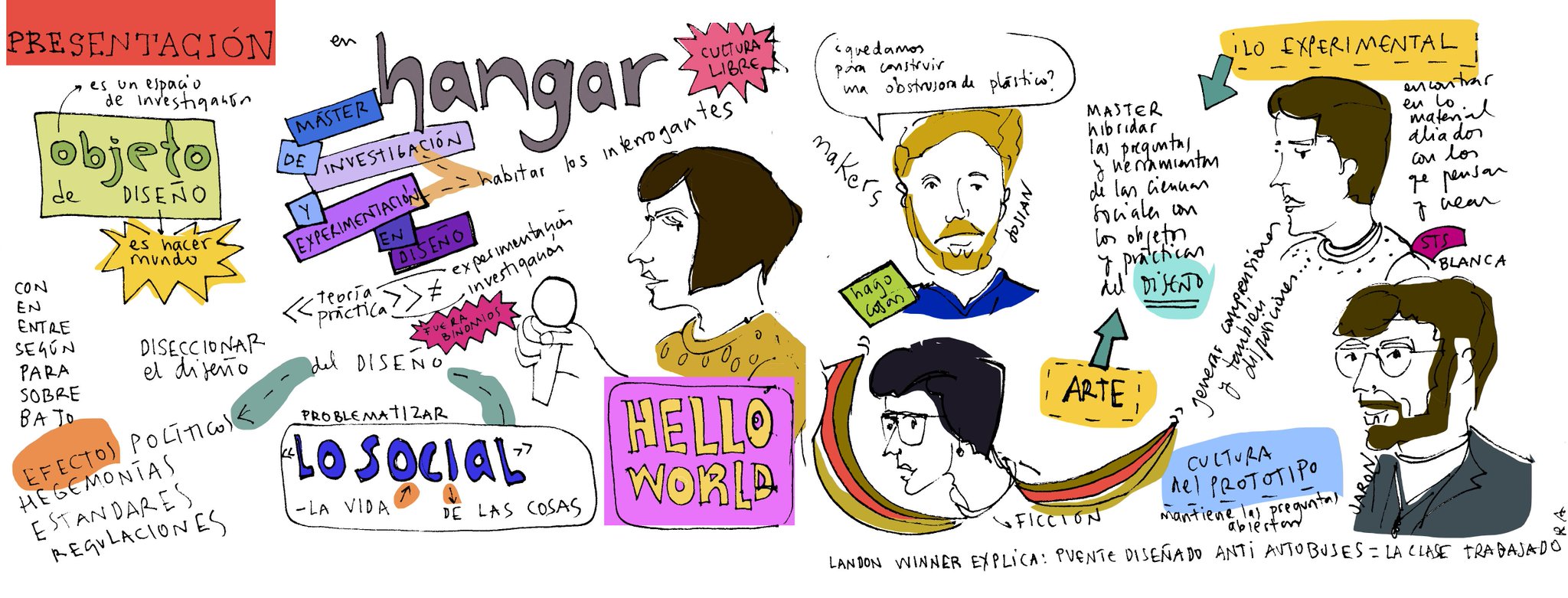
What is the attraction of an algorithm? Do servers have a gender? Can a
book be a disobedient object? Is it possible to understand an
infrastructure as a poetics? Jara Rocha presents Objetologías, a line of
research she carries with Josianito Llorente, Jaron Rowan and Carla
Boserman. Working on the aesthetics and politics of objects and
technologies in their different material conditions, they speculate
about the potentials and relatedness of humans and non-humans. Their
attempt at a post-humanist approach brings together studies of culture,
science and technology, actor-network theory, new materialisms,
speculative realism, futurology and affects theory. Objetologías
considers the ethic, erotic, aesthetic and political agency of objects,
and studies their material conditions in a broad sense: scale,
durability, weight, volume, attraction, dispersion. Instead of studying
the social use of objects and technologies, they shift their attention
to ontologies, understanding processes of individuation, co-production and articulation as basic gestures that act symmetrically in the complex web of materiality.
Tea and cake served!
*CROSS-READING*
Ahmed, S. (2006)
Queer Phenomenology (Duke University Press)
Bennett, J.,(2010)
Vibrant Matter. A political ecology of things (Duke University Press)
Bogost, I. (2012)
Alien Phenomenology, or What it's like to be a thing (University of Minnesota Press)
Braidotti, R., (2002)
Metamorphoses. Towards a Materialist Theory of Becoming (Oxford: Blackwell)
Butler, J. & Athanasiou, A., (2013)
Dispossession. The Performative in the Political (Cambridge: Polity Press)
Haraway, D., (1992) "The Promises of Monsters", at Lawrence Grossberg, Cary Nelson, Paula A. Treichler, eds., Cultural
Studies (New York; Routledge) , pp. 295-337.
Harman, G.,(2012) The Third Table (dOCUMENTA(13))
Hayles, K., (1999)
How we became Posthuman (University of Chicago Press)
Kittler, F., (1999) Gramophone, Film, Typewriter (writing science) (Stanford University Press)
Latour, B. (1993)
We have never been Modern (Harvard University Press)
Meillassoux, Q., (2008) After Finitude. An essay on the necessity of contingency (NYC: Continuum Books)
Thrift, N., (2008) Non-Representational Theory. Space, Politics, Affects (NY: Routledge)
Lampland, M. & Star S.L., (Eds) (2009)
Standards and Their Stories: How Quantifying, Classifying, and Formalizing Practices Shape Everyday Life (Ithaca, NY: Cornell University Press)







![[proyecto] Altas latencias](https://blogger.googleusercontent.com/img/a/AVvXsEiBpD8AFlYRdLzeJ2Hsn_CW_e5gS2aqI95InyU5RVD32AgQq1pu7RkVfqaIVCx8HGOvz6-KsASWhMiTRiAOeMFuq_5CdJ4oBpbugFCz27q4naB5GwKSI6367EAzmdV7gwMJ3bsY49giAjtGaszVwN6XK8Jt9TGRgsuh4UAGYJiG6-BT5M8TUcuqDBvoOME=s220)

![[txt] A breeding ground for uncertainties](https://blogger.googleusercontent.com/img/a/AVvXsEj8Ul_82KszibGV8b6jg9LFyWXEGE4qp6ecSy5BMMylXRoJD3M9p69kVu-AzxnSX2giXA1KXDQK0N-9PgDXC3iiwOb8gbekKC9_uczQKXOnaWH8az3En1ZSVefP22hPQWRvsUBccZEqf9CI15VXUsq8xboFMelx4l9oFikZJpvUX3xTe4mnAAeXwpDzIg0=s330)
![[Bugreport] to Frontier Climate](https://post.lurk.org/system/media_attachments/files/111/901/018/803/503/560/original/1075209e931cabe8.png)
![[zine] Ancho](https://blogger.googleusercontent.com/img/a/AVvXsEgxhMNpFpNTQs8-WPjqQ4xMJ3_BZJbszhAfiHl63dmkzEof-nuHBGdzLZzpneNz9vTWNnw4k1RBBRlY8Lku7gu3bPCmoB58oyB8p0m85z8G4vsPwQWrNDmDhPrcLyvW0SP8AVn6WTAkKi6967tUChbVAl73hP9Umq097rixVNbci22Ua_iZFxOiunVkTjE=s312)
![[radio] naturoculturas son disturbios](https://blogger.googleusercontent.com/img/b/R29vZ2xl/AVvXsEh1vf5WGEHGsX7aYwBLxMSY5_yPI3DzKWwCdqAOOIDKz0yFkISa81hx2ljEMCPPb6bRtYCCtoOb89SdCQET4P_BJoQeYy5990dZ2FmiqJL_Sb_ROngQphHGA9wnu3rIZyUkI7LPLNDqRXE/s220/tapiz.jpg)
![[Journal] La composición activa de la presencia](https://blogger.googleusercontent.com/img/a/AVvXsEgWJBnXgfCm300uKPAr-n4sEqPCBHxy2Hxheu2bFuYCl0IgeJCmJ_7U6SwP01cDamYTfgGpbMtgeSS6KtRm5j85_bclhQ4wn7f8DfSKu7C3_AM87wNHhELUwQ_VXIemDotxFy_h2kiZuqa1h2vLKHeMUALEg63BeR_dbpHh4Y7DEfZgKekOA0eCxPT_lJk=s320)
![[fellowship] LaaS (Life as a Service)](https://blogger.googleusercontent.com/img/a/AVvXsEijogwX9jgADqQ9A00tu8fCFaF8ARU8Sq0EXI0Z_PBE8M-SVpgMWAUiHJjw4-QwLjz-KCQlOgyvJNwpvBLe41Gr7xN0xlWzvyrGxZg9mUIH9-q3xEF51MSk6UnyUkD--ZptqoMcp7XSlgD8wV5MVeUaN8o7X34SnScuLZ4C76XyW6U8JDneHWrSw8vZ=s220)

![[associate membership] TITiPI](https://blogger.googleusercontent.com/img/a/AVvXsEjcMlj6-I_3r2L84w6kGyECKoYCgG_clIbPgkJU643pGFonPn9P-UV_qnNI3V-pjgEVFigNgse4IABpsD7WRie8evGe1jdLZOV92rg_McRtrbSIJOTVzyUW5Xx4ITTYM3JL-d90tF-XGKpKscmUYcnrts654lnj1hVbrHZUBvKA8X5pZPXL6DIoILz9=s341)
![[escuela] Elefantes en la habitación](https://blogger.googleusercontent.com/img/a/AVvXsEgg8WMXXVVHA5uHIAlHGUstKTSRhzQEhEORdROKz8QBgLMPCtYxyNIyCnuFkFwDAoixgS1XMLDeGEtm5P0cXW3AUi6AB179S0Ei6BueXW8NXbREYnik1VICivjPvl7G2Ti597fcw2OQ38cWzV0BpfG3MijQiSAzCdVmj67HS4VIiCsQV5dLgdOubMvIGiM=s220)
![[book] Volumetric regimes: material cultures of quantified presence](https://blogger.googleusercontent.com/img/a/AVvXsEgmU-TcPBoSAK-bYjc2IS1c3j6YaoY0bAmoWeJphwdAVgJ1vRcZP_dg5Ki_GWBYPakurYUpM6XIlUGJKAKALaYhdx-sLtC-KlL3NocFIq5S3RzmuefQP1pCwpUTjJ4it_itZKmY1FLZ-GuvAE1PHWP90G9nxsDRdyPVaoyQxl6s3A0SQEeRxP5fNlcI=s332)
![[manual] Queering Damage. Methodologies for partial reparation... or not.](https://blogger.googleusercontent.com/img/b/R29vZ2xl/AVvXsEj8Q0pcpgV4ta3XRYXd7_TLrE-e8iIRW9gtbF-tRh5pKQClpqaw6qbr0dUadU7sASJ9ElOlYJwy4mPROA46dn7bGeTFwAb09LCR2yMuQOkeJUCeRUrAGKai3pPb9x7nvSaISuDx8FZlppg/s1600/QD.png)

![[project] the underground division, with Helen Pritchard & Femke Snelting](https://blogger.googleusercontent.com/img/b/R29vZ2xl/AVvXsEiP7ySE_-Ag-61vgRhsOgPJOVlvsnsupcriKB9x-nxLA_XjAYdkeYSOajqqqBnnGI82iX4wCbaDfnYfAc9lSHl0ny7ES0V1xTeJl3zW0sfLto6Ardt6AiZmYZlqizeDw98sijpGLY_K1p8/s1600/unthoughtinfrastructure.gif)

![[expo] Dorm en l'accident que provoca](https://blogger.googleusercontent.com/img/a/AVvXsEgjj7ASH7edRFh6yretcviCckrs19chm_iyuaa0PyNeRqKj6EWr5C8wRAUQXNsR0rSxSIY0-j_a0z1PfmEjabITfUBWfMwqCNKLo9Fvb65P31PtSbEiBBJ_HhiNrs1iVFZsD4LWicCfvZXM20ivsPoG2XfLBZYGBhv7Iavs2VPb0uGV2mYehjf7mzdm=s220)
![[exposición] La Irrupción](https://blogger.googleusercontent.com/img/a/AVvXsEiJnQT68iCPb08I1Bq9Cq8cGWfRLxF_cwD3tqfqovDvh1oy1L-Mj5DVkBsyBEezs9ydH0kVterKMClhihz3EkJgySfauazM8-YsPZRI2qUOQKSWKE8phvjFy5lPNqE5r60m0bbgm4eyMXVA4xktKU5hrJoQ6gBv22a7QRAhFlmFDxYQVATl6orDZ-oK=s311)
![[Fellowship] Spectral Infrastructure | Cell for digital Discomfort](https://www.bakonline.org/wp-content/uploads/2021/07/Spirit-Labour-1-web-2000x1335.jpg)

![[paper] Figurations of Timely Extraction](https://blogger.googleusercontent.com/img/b/R29vZ2xl/AVvXsEheNeBTv2n__LM26gVP5_NJsH4-vssVsRn3CspeiFnoCsUY4RmKBE1dTzYurmx73Nt5hceLv_zcORBxLnGV5AR3tJnb579NJ5194ThAdnH5itHI-e9W79rOLD5_sPpkmjjGb1RT1RVnmN0/s1600/hueco.png)
![[weft] The Relearning Series (with Martino Morandi)](https://constantvzw.org/site/local/cache-vignettes/L650xH614/arton3397-dd459.png?1609926532)

![[text] The Courier Bag Praxis of Friction](https://blogger.googleusercontent.com/img/b/R29vZ2xl/AVvXsEgBtBXr6VHozr_KsHsqSJ7_sMDHSSc0l0pD4wcrZJZzqX6IUeTjQEED64R-hg4QG0lK8RHN6J6j-BtRbsTDwI-R-5OlzwcCDYPHX_q7_yTCbgnJEqPic7LsADeclTIpqgX8SWZpdXdncKs/s1600/amz.png)
![[text] We Have Always Been Geohackers](https://blogger.googleusercontent.com/img/b/R29vZ2xl/AVvXsEg3_-X1JXUAU7D1PqsbnkyLFi1PAvVb4P9ZPszvgZkaI5q5lY4JDDPsjeBScyoev-cxl3DD9ocyeaj4ROLezLzA1RM00Ib3SGeaMUiNvnhsSOtRHVy9pK2WQ4p8gXBbDqEABMiaM6uhjzk/s1600/600px-Image04.png)
![[entrevista con Nerea Ubieto] unos corpus a través de otros](https://blogger.googleusercontent.com/img/b/R29vZ2xl/AVvXsEiUAX_3sRJEwxPRY1X9jmG1DxmZBTqhXRVHN3wcA4h_oO6HNIGt9uroK9oP9ktNm79nbj0z6Kt02SNIBynmRmAbxHJa3bWPttwiF1Iffm8azfPumTmr32-pC8bQJ1cRwFvUm5QRfYjiWrs/s1600/yaaun.hotglue.me.jpeg)
![[book] Iterations](https://blogger.googleusercontent.com/img/b/R29vZ2xl/AVvXsEg6AIPpC3jitHSZRTZUAUrI-C01YGIeyM7C7ZPDO0HQhUx0nqTOyVUdpOOJBVh66ZwBJk-Z_NLtlDZtIhB5zyj7lzi1psorzemK2pJKiRk75Z8_8K60nJcdJEz1nmUZqmTm-BId_XYjINo/s1600/iterations_img.png)
![[text] Depths and Densities: a bugged report](https://blogger.googleusercontent.com/img/b/R29vZ2xl/AVvXsEj2kAiZhHGbiApkAnVW086MP8Auew-PJjqA5m1dP0C0PQTv99laH46OO1-5K5YOzYQIYBpgG4SsC8ibvqLz2fkIBoUPi3_dL6dfOir_DosCim4oY2Tq9877vFU-6SSWLfps0rLs_v3wBCM/s1600/2.gif)
![[expo] ROCK REPO](https://blogger.googleusercontent.com/img/b/R29vZ2xl/AVvXsEjMCpx4QnmsTfWUtRNlzUOhGnEWqZozBYCPkzKG3cs29OniGUqAzXFMDp4EggGvEM1B3xDC-Kf9QFHKe2EqKL6QGLhttL6FzalmkJYo8f9_aKdnmiUf61_QMaoa7F228d5farlhzSeV1Ok/s1600/ROCKREPO.png)
![[ciclo] unsupervised imaginations](https://blogger.googleusercontent.com/img/b/R29vZ2xl/AVvXsEhjO8oPteLww8zP6OPAvLXOm4uiwvBIFJ0k9DWqK7YEfSau1A9E0RdvY0-qokscG-y_a9sgou1xkCNBSw_VvBOlsFqLbcR_HSDg7K3hRB5LqkOjTdwfaCWLsemvyyt1lttyqz3zgyuzGZY/s1600/done.png)
![[texto] O o no O](https://blogger.googleusercontent.com/img/b/R29vZ2xl/AVvXsEjW0TtZQPjFHfhxlODgGdVzgg68Ac0-ARhty2p_GLpS376bYEQzPCLV3rcfveLPHTKa5NayqjcU5tkEHR1XravZ0ELvayh3Llh-dTbLDoTzqCu2-o4_XL-x7BOorECQVHzvrAbPgArKd5I/s1600/OOO.png)

![[text] testing texting South: a political fiction](https://s-media-cache-ak0.pinimg.com/236x/ee/bb/77/eebb777b79c372e431f8f01a9f8c417e.jpg)

![[texto] connivencia km 0](https://a-desk.org/wp-content/uploads/2019/02/yCNQVn7-595x356.jpg)
![[texto] tendido topológico de opacidad](https://lh3.googleusercontent.com/blogger_img_proxy/AEn0k_tJ5YYkyPc4fdxWyFLulweRzeS9ANIKbr9eQ_YXZ8GueWunLjgwnVv5p8BbtUyeRiAs3eVb3h2wosffSpUK1UBt3Zsb7acL66xbiKQliaUaZBC04aFyX-h-otGmGJTc62RsXVLUdigXfsnnBGvyUhyLBWSV-_iAlzgzRC26yGmIRQ=s0-d)

![[workshop] queering damage: methodologies for partial reparations... or not](https://hangar.org/webnou/wp-content/uploads/2018/09/fotoactivitat-448x197.jpeg)
![[text] ultrasonic dreams of aclinical renderings](https://blogger.googleusercontent.com/img/b/R29vZ2xl/AVvXsEgQ0Hyf8egbRwVzEbocuGIrXelXCAPHtrkb_7qMB6MbJQpI-ImX-BnGi1Gz6BBmBUJ6ikF14F0XEdxaRvoPF8fpfA_zK2nzYx3o4fhQ_6AxTaJvn_ONeJ7kO54Ht23J4coCzwb9VNhJ7lo/s1600/ada.png)
![[text] la Caníbal Mondothèque](https://blogger.googleusercontent.com/img/b/R29vZ2xl/AVvXsEgSPEAotBhGULLOoGt7ah32WUd5Uhq7OFyBOu0HMmhi_vXY1YhVzPzfhS6z-Q9xoAUayFSZ1T875S6PzU7hLfQuqpFSffkWSElVxere3sOffMK6uJVCu6rtwjcMF7VSL8IHMqewLUaRARw/s1600/sss.png)
![[taller] Signos de desorden clandestino en la multitud uniformada y codificada](https://blogger.googleusercontent.com/img/b/R29vZ2xl/AVvXsEh2NuAewDFzlY_WN91ef8C-irr-DsGHBdEOhztzIwEqDxv-BFgccpIu7wCcZQXrhqhc6eQJBaYLJwEWSxCpoDu4WSGYO6RP2oJDte-QD2B6xGpWy5_HHAj_na47Qr4JM2x99u_CErHbcgY/s1600/signos+de+desorden.png)
![[book scanner] hackthebiblio](https://blogger.googleusercontent.com/img/b/R29vZ2xl/AVvXsEhWvEJ8bLbWXegmJmJjy0IvTFE4zHz-PQXgbVtK3YexrUu0dGq1dvhuzekD6YgOcBDJqjJiZveoMSo9EwTJAZvNK1BZXwEvnSmzPk3v-8xuJyUxgTdyjFnLSQe-AZSS7kxnFzCsoM6my74/s1600/marron.png)


![[installation] somatopologies](https://lh3.googleusercontent.com/blogger_img_proxy/AEn0k_sl4NA0vVnzTKXinCtQvFkfCTU32z_U6w6e7zoBahPVO7_sJDkBOLx6q8unJNfXvlPuCVhPux6p_mDA_JZQJys_ags26jKcp3jUuY7bnXAp9mFU8kzsHP21Vgv1nrj8bM9nwFMPykrk2uqHA8vRZ_mERrOb2ujaFYShs_fVQphkUFo=s0-d)
![[workshop] ageing companions](https://blogger.googleusercontent.com/img/b/R29vZ2xl/AVvXsEgLEng19oM7Z1ABKaMNTvuNjr70o1HJvJtwCcBNQw-mN2p-j6LmAqGufemrhR2Bo_vca7ps4MYHDxpVfpbMpy3kH2pgjyrN-qal4iSVOMZBquhe2Yr3c0Qj_mWNiCAPBtceZwOQqLjwGSM/s1600/ageing+companions.png)
![[curso] ya aún (con Laura Benítez)](https://blogger.googleusercontent.com/img/b/R29vZ2xl/AVvXsEj5BUUemTv0dcKlSWxoe-95jPAn8EwoM_w0sxSEqGr2sxMN1WWY61oAFm3rkmZj-PynKmvxFGr0mu7IKZpa_mYb1AdlQoaKLXUhkTYlNXrNy-A2Zbf274hmC4iCs9pzCYl8D80VyIxTgD8/s1600/yaaun.png)
![[text] MakeHuman @ posthuman glossary](https://blogger.googleusercontent.com/img/b/R29vZ2xl/AVvXsEjAxY9qjS-hUJzSbUY4EvX-FZ6gRgbrXq0ehjWtRXZnjJvN8HEfQq1-RG8Fi-5-9JCK9DG6SNi_iod-ARLMAHWpgL9XdQFISHjvahpFJhn6dxFKMuVovjuMICweTAJV0tApChjht-ZXCVE/s1600/posthuman+gloss.jpg)
![[taller] Las promesas de los algos: una visión inapropiada/ble (con Nicolas Malevé)](https://hangar.org/webnou/wp-content/uploads/2018/01/tensorflow-448x298.jpg)
![[text] dis-orientation and its aftermath](https://media.giphy.com/media/L35lnVzYLgHFS/giphy.gif)
![[artwork] UKI, a viral game (with Shu Lea Cheang)](https://lh3.googleusercontent.com/blogger_img_proxy/AEn0k_sbqHXF1_elSVY9hgXoUBbsabCUEemibHDe_RE5IgIi96jAvE-5J76abpg_bvDeBTuJXGkTLG6aoYblcrxxUeKanlYEROeStdtKqwm2wBDAdE90Nr0rCBdVHUdp81oiBIR3VtTgqCLaDq0MuGrRTbXRlbGFknla=s0-d)
![[curso] fonaments del disseny](https://blogger.googleusercontent.com/img/b/R29vZ2xl/AVvXsEgD02few_onlQayFaMENECRZYVjbfJ-1BivdgWn_PntkkwCCG8jUGdswJyugFctCcFRBB3lwSXUZotFCc5EnxqfxSKywMrdfAVfBXvPsb7vcdIdr2RUowODsgri4EReXMudK_3IAStF_3w/s1600/fonaments3.jpg)
![[revista] L/EN/G/U/A/J/E/o](https://blogger.googleusercontent.com/img/b/R29vZ2xl/AVvXsEgdBBru_p5K4zK77CmgtRcK2hLubFw46lHgQqqXqJoMuEeIDJr1933trw0vcve7q3b9Mhjy96nYQDPxWYddDZ60RbtwCZcUoIYJq_F7WWd9xsnfoqhXgyZNquQLkFNbsbz7dDJoaXRZZWc/s320/Captura+de+pantalla+2017-09-10+a+la%2528s%2529+21.46.40.png)
![[methodology] workshop à la carte](https://blogger.googleusercontent.com/img/b/R29vZ2xl/AVvXsEirP91N_kdgle-XhzJxTu9qeU4rnpcG-tl-z6em-_ecKjZpIsTgRgOQn19a5SLVkW3SJ6rbkWNg7gCHdRFtXMkc4gE4OpWRGHcch_ylyVaNDjSXLkXPrRD8wf02542DxRh07xWwc54Hbxw/s1600/teo.png)
![[text] tongues in the making](https://blogger.googleusercontent.com/img/b/R29vZ2xl/AVvXsEgXl-8Ave1Yx3VqxhcrI24uG_fzX8Ohc8LNjgv8KkTq4s1W9J0LH_iVG22E22ojnNFUauSMGvN9M_JMRod7iHqahzkJMHjWvHPV0B4v1i14iRtGWNga8NmZ-LdXXlOPqAtdISnR2MQFd1Q/s1600-r/Captura+de+pantalla+2016-02-04+a+las+13.53.52.png)

![[texto] altas tensiones, saberes menores](https://lh3.googleusercontent.com/blogger_img_proxy/AEn0k_uTzQ2nIMTdlmC8YsCQJzuucG2JRhWUAW4VaPy_z2nWxF7zQoJK5wnX0TumNT9JqGiD0WS2rHM3lMkC5WKLrG8TPDeNtS1QY1BXlMpAWx16Do4cCPbOsIEXd42WC2sqVM-pvYGZtCrUJCGequR2rVWZT_FrAEOYMMtknPeo1E82=s0-d)
![[text] new criticals: cadavre exquis](https://lh3.googleusercontent.com/blogger_img_proxy/AEn0k_tFBAf0f7oooA8co5e1INfahyVYX7_7C6upT8iGhEee_9cqBtMNvlTxh2Zo1On7qtOFAHWvxrltrCERDVOZyvwiK9Er-I-KNbio-ziYBClLa3BXaeH3PutNZzRC_QunmVPrhYN4kAGBKRdj_9Qs3dbOWJmUNo9I-mk=s0-d)

![[article] Let's first get things done! / Fiberculture Journal #26](https://blogger.googleusercontent.com/img/b/R29vZ2xl/AVvXsEhaDyKgtq30kos1sAGxvccGpJru0lFDJpNdr2Znui0GZq-uBP4rv7qq4wxZIHlAqGloQcjpEfhYlftguJHCfQakT3_ddO8Rs5opBTGClnrALMsSpNtDyR2ljW37LPnBtUfJ1gEO_aZqvt0/s1600-r/graph.png)
![[post] chismes del aprender](https://lh3.googleusercontent.com/-ECXXUPo6Pyyh40LLcwXtRvV95OpS-w6misVn0DL7n1jkl7tYKBDhyPVtRayTBEARSvAIFlvR0Ajv1PdHLgBIs8un7fymWjqZRhedhJiizk6HodrTJYwICBn2w)

![[paper] "La materia contraataca: una tentativa objetológica"](https://blogger.googleusercontent.com/img/b/R29vZ2xl/AVvXsEhqled-DehDpXZnTMEkO0WSjozmkdTcjnEaTT27rrnu1q69whrT275w3Hs7zzeUtLfNJXs73mXB1Q0lwJjR2AGzInb6WpEUfRFWRui5s-YhE7CAf89z1j3TDKQMAmIyDr_XF22DcA9506I/s1600-r/m%25C3%25A1quina_cuadruple+haz.jpg)
![[expo] not yet know: ontologías sorpresa y agencia-ficción](https://lh3.googleusercontent.com/blogger_img_proxy/AEn0k_vq7HmlyBNCD4xL2DRfTQSga_bZWuQF-GXpg0Ro3emOh3zSar7jZSCZqa0AT3pQGxHcuq8GjbVhiXZa7329attzktFOWGavX0XIgUtFd5-EJsqx6wc-dFvBcVOeu97sSx5udWJ7eRqo4MMgzn-T4ku90gYQWsmRyZlY0-ItMVYWMUto=s0-d)

![[libro] "El futuro de los centros culturales en la europa creativa"](https://blogger.googleusercontent.com/img/b/R29vZ2xl/AVvXsEjkwzqzUznKska3wNFn9G6GyFhyphenhyphen6v2ptsM6suKRqoeq6FUzv7Rs8mx3YQABu9QFWpj0XPZs32NhE2DNCgRSMEnnhPw4SQjSKsm1MuMrEvBDnO7z__-iWxNqt1Mn61h00R-4Co76tF7EdXY/s1600/euroz.jpg)
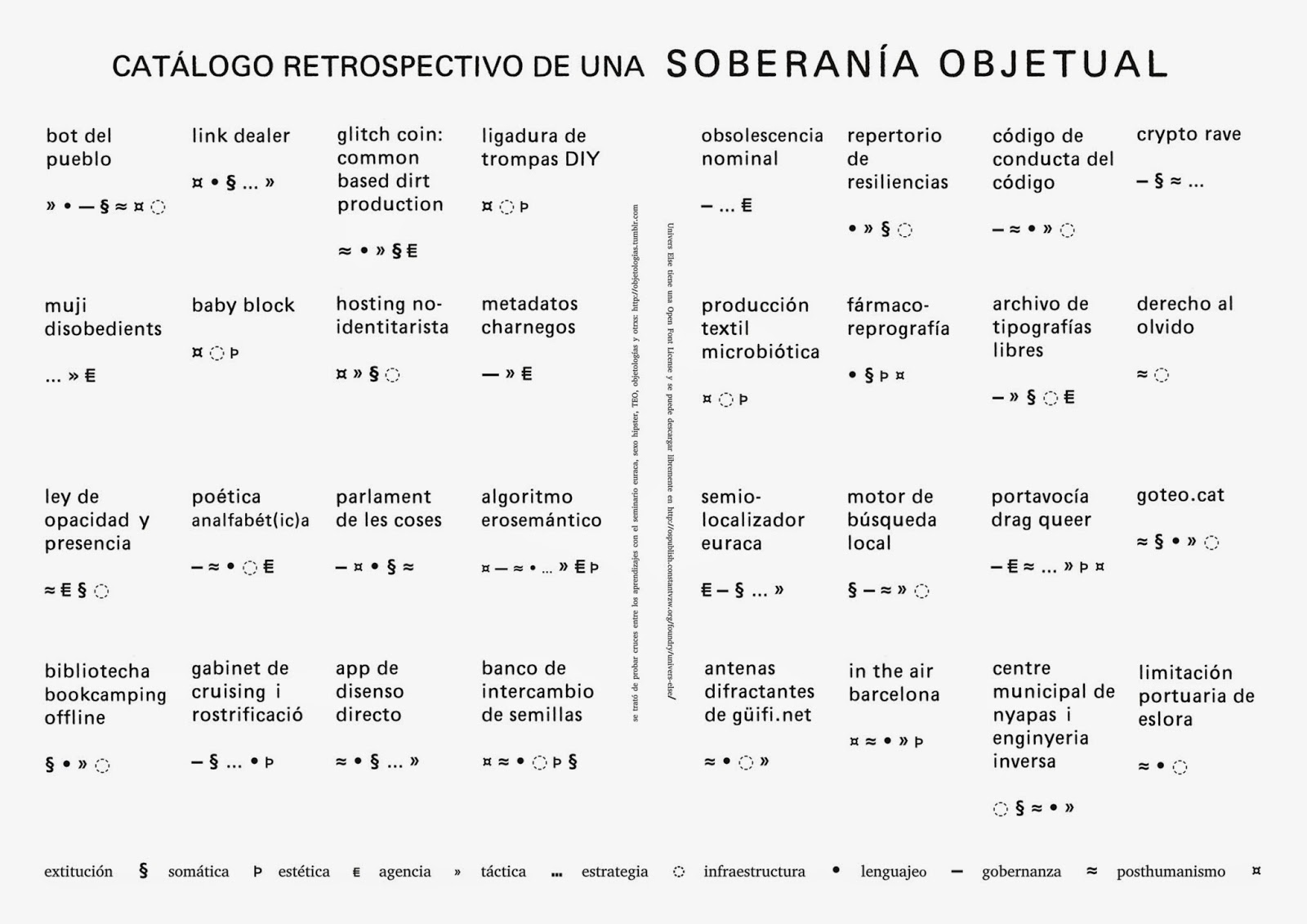
![[zine] catálogo restrospectivo de una soberanía objetual](http://40.media.tumblr.com/474e97cd6589b57032fbb079230ae643/tumblr_nkr05twfSL1tu5ph3o1_1280.jpg)
![[wiki] protocol for interdisciplinary research / Hangar / Grid_Spinoza](https://blogger.googleusercontent.com/img/b/R29vZ2xl/AVvXsEjmi8Df_v7kPAefpI6pLe-Xl-NhQx3VsKNEiZGO_tB1E2HCbKmQY69oI6SkN36aCFzzlI0ihwKUevFeZbmEAT-YBIGGCTfE_XlHvVbRHrnAAJS7_aCsOZW9bmeIzv1U06IVz_ik6btFPfM/s1600-r/Pantallazo.png)


![[monográfico] Laboratorios de Procomún](https://blogger.googleusercontent.com/img/b/R29vZ2xl/AVvXsEjjbDSQa0RdXhfgnejeyUgQL7ae7l7d3rC5-NoyRkrNiLiMGdo27hBA2NIiJTGDVDwkJ1JZuVh9rnQYhvbdZf8ru5Ou1W-trOX7QfMPS0h3t57HEiY3wu4CeXrWW9TfDk7VpKP6rvb17HU/s1600-r/teknokultura.png)
![[libro] Teknokultura: tecnociencia, arte y cultura](https://lh3.googleusercontent.com/blogger_img_proxy/AEn0k_tgVYdEqPeVYbXnv0PQVGzYwCA610OlXa8KZQvZM37ofcmO0DgiSIM3sN2jBt9GaIXnEESlV7J7X4hhTggdv9eSF_8IfoGTCH0eMz4fK0Y4heowztYYkN4X81XAbpaFfNIYU83v-I_b4pHwhokwDNcIop24X4ETpEF_UY8RUygX=s0-d)